
Pregnancy Pillows is a time of immense change, growth, and preparation—but it’s also a period where rest becomes increasingly tricky. A growing belly, aching joints, and shifting body weight can make sleep uncomfortable or even painful. That’s where a pregnancy pillow comes in. Designed specifically to support the changing shape of a pregnant body, pregnancy pillows have become a must-have item for expecting mothers.
This article will walk you through everything you need to know about pregnancy pillows: what they are, how they help, the types available, how to choose the right one, and more.
What Is a Pregnancy Pillow?
A pregnancy pillow is a specially designed cushion that supports the body during pregnancy. Unlike regular pillows, which serve general comfort purposes, pregnancy pillows target the unique pressure points and alignment issues that arise as the pregnancy progresses. These pillows support the belly, back, hips, and legs to improve sleep posture and reduce pain and discomfort.
Pregnancy pillows are not just about cushioning; they are ergonomic tools that encourage healthier sleep habits. Many of them are long, shaped to curve with the body, and made from breathable, supportive materials.
Why You Might Need a Pregnancy Pillow
As your baby bump grows, your center of gravity shifts. This can lead to poor posture, lower back pain, and discomfort while lying down. Pregnancy pillows help by:
- Relieving lower back pain
- Supporting your belly while side-sleeping
- Improving blood circulation by encouraging side-sleeping (especially on the left)
- Reducing hip and joint pain
- Helping you stay in a safe sleep position
- Preventing rolling onto your back
They can be a game-changer for sleep quality—something that’s already hard to come by during pregnancy due to hormonal changes, frequent bathroom visits, and anxiety about labor and delivery.
Types of Pregnancy Pillows
Not all pregnancy pillows are the same. They come in various shapes and sizes, each designed to target specific support areas. Here’s a breakdown:
| Type | Description | Pros | Cons | Best For |
| U-Shaped | Wraps around the body, supports both back and front | Full-body support, ideal for side sleepers | Bulky, takes up a lot of space | 3rd trimester support, back and belly pain |
| C-Shaped | Curved like a “C”, supports head, back, belly, and knees | Multi-use, can adjust easily | Not as stable as a U-shape | Back support and hip pain |
| J-Shaped | Curved like a “C”, supports the head, back, belly, and knees | Space-saving, supports the head and belly | Doesn’t support back | Those with limited bed space |
| Wedge Pillow | Small, triangular or round; placed under the belly or the back | Affordable, portable | Limited support area | Travel or targeted support |
| Full-Length | Straight or slightly curved, supports head to knees | Hug-like feel, flexible | Doesn’t support back | Belly and leg support only |
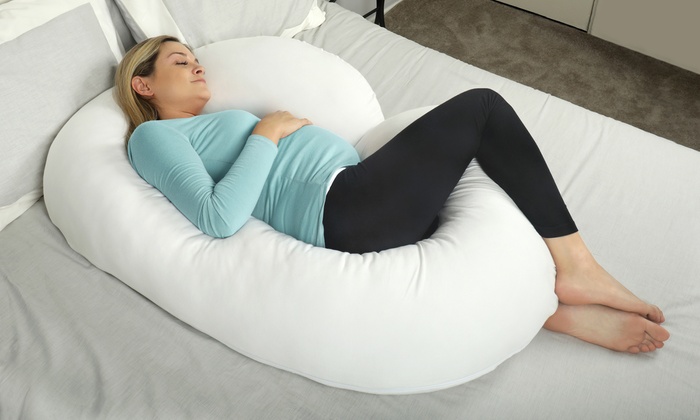
Benefits of Using a Pregnancy Pillow
Pregnancy pillows offer more than just comfort—they provide measurable health benefits for both mom and baby. Let’s break down the main advantages:
1. Improved Sleep Posture
Doctors recommend side-sleeping during pregnancy, especially on the left side, which promotes blood flow to the uterus and kidneys. A pregnancy pillow helps maintain this posture throughout the night.
2. Reduced Aches and Pains
Back, hip, and pelvic pain are common during pregnancy. These pillows provide the necessary alignment to reduce strain on muscles and joints.
3. Relieves Heartburn and Acid Reflux
By elevating your upper body slightly or keeping your posture aligned, pregnancy pillows can minimize the effects of heartburn and indigestion.
4. Swelling Reduction
Keeping the legs slightly elevated using a pillow can help reduce fluid retention and swelling in the ankles and feet.
5. Postpartum Utility
After delivery, many pregnancy pillows double as nursing pillows or provide support while healing from C-sections or vaginal births.
How to Choose the Best Pregnancy Pillow for You
With dozens of options available online and in stores, choosing the right pregnancy pillow can be overwhelming. Consider these factors:
1. Your Sleep Style
- Side sleeper? Choose a U-shaped or C-shaped pillow.
- Back sleeper turning to side-sleeping? Try a wedge behind your back and a pillow between your knees.
- Toss and turner? A full-body U-shaped pillow will keep you aligned regardless of movement.
2. Space Availability
Larger pillows like U-shaped models may dominate your bed, especially if you share it with a partner.
3. Budget
Prices vary widely. Wedges may cost under $30, while full-body pillows can go over $100. Decide based on long-term use.
4. Material and Maintenance
Check the material of the cover and filling:
- Breathable, hypoallergenic fabrics are best.
- Ensure the cover is removable and washable.
- Memory foam retains heat; shredded foam or polyester tends to be cooler.
When to Start Using a Pregnancy Pillow
There’s no fixed rule, but most women start feeling discomfort around the second trimester (week 20 onwards). That’s a great time to invest in a pregnancy pillow. However, some moms-to-be start earlier, especially if they:
- Have a history of back pain
- Are carrying multiples (twins, triplets)
- You are already having trouble sleeping.
Starting early also gives you more time to adjust and find the correct sleeping position.
The Transformational Power of a Pregnancy Pillow
Imagine this: you’re in your second trimester, your belly is growing faster than your wardrobe can keep up, and suddenly the mattress that once felt like a cloud now feels like concrete. You try using your regular pillows—stacking them under your knees, folding them under your side, hugging one between your arms—but nothing works. You wake up hourly, your hips ache, your lower back screams in protest, and you start dreading bedtime.
Now picture a pregnancy pillow designed to curve along your spine, support your belly, cushion your knees, and elevate your head slightly. You slide into bed, drape your body along the pillow’s contours, and immediately feel relief. Your belly is gently lifted, your back no longer arches unnaturally, and your knees are cushioned in alignment. You sleep longer, deeper, and wake up with less pain and more energy. It’s not magic—it’s smart support tailored to your changing body. The simple addition of a pregnancy pillow can turn frustrating, restless nights into restorative, peaceful ones, dramatically improving both physical and emotional wellness during pregnancy.
How to Sleep with a Pregnancy Pillow
Here are some position tips depending on the type of pillow:
For U-Shaped Pillows:
- Lay in the middle of the “U”.
- Rest your back against one side and tuck the other between your legs.
- You can flip sides without moving the pillow.
For C-Shaped Pillows:
- Place the open side toward your back.
- Hug the top curve while your belly rests on the bottom curve.
- Tuck the lower curve between your knees.
For Wedge Pillows:
- Slide it under your belly when side-sleeping.
- Place it behind your back for gentle elevation.
- Use under the knees to reduce leg swelling.
Pregnancy Pillow Maintenance Tips
Like any bedding accessory, proper care extends its life. Here’s how:
- Wash the cover regularly (every 1–2 weeks).
- Spot clean the inner pillow. Don’t soak unless it’s machine-washable.
- Fluff daily to maintain shape and even filling.
- Store in a dry, clean area when not in use.
Avoid using harsh chemicals or bleach. Mild detergent and cold water are your best friends.
Can a Pregnancy Pillow Help Postpartum?
Absolutely. Many women continue using their pregnancy pillow after delivery for:
- Nursing support (wrap-around models work well for breastfeeding)
- C-section recovery (reducing pressure on the abdomen)
- Back support during newborn care
- Sleep aid while the body adjusts post-pregnancy
Some pillows even transform into loungers for babies or floor rests for toddlers—extending their usefulness well beyond the birth.
Common Concerns About Pregnancy Pillows
Let’s address some frequently asked concerns:
❓ Are pregnancy pillows safe?
Yes, when used correctly. They’re specifically designed for the pregnant body. Just avoid covering your face or placing anything too tightly against your abdomen.
❓ Do I need one if I already use multiple pillows?
Multiple regular pillows may mimic a pregnancy pillow, but they shift easily and don’t provide consistent support. A pregnancy pillow is ergonomic and stays in place better.
❓ Is a U-shaped pillow better than a C-shaped one?
It depends on your needs. U-shaped pillows provide back and belly support at once and are better for full-body alignment. C-shaped pillows are more compact and versatile.
What to Look for When Buying Online
Here’s a quick checklist when shopping for a pregnancy pillow online:
- ✅ Does it have good reviews from pregnant women?
- ✅ Is it washable, or does it come with a removable cover?
- ✅ What are the dimensions? Will it fit on your bed?
- ✅ Is the filling breathable (e.g., cotton, polyester)?
- ✅ Does it support the neck, belly, and knees?
- ✅ Can it be used postpartum?
Look for brands that offer returns or satisfaction guarantees—sometimes it takes trying one out to know if it suits your body.
Final Thoughts: Is a Pregnancy Pillow Worth It?
Absolutely. A pregnancy pillow isn’t just another maternity product; it’s a long-term investment in better sleep, less pain, and more joy throughout your pregnancy journey. For something as vital as sleep—and something as physically demanding as carrying a child—the proper support is essential.
Whether you’re just entering your second trimester or nearing your due date, the comfort a pregnancy pillow provides can be life-changing. If better sleep, less discomfort, and improved mental health sound good, it’s time to make space in your bed for your new best friend.