
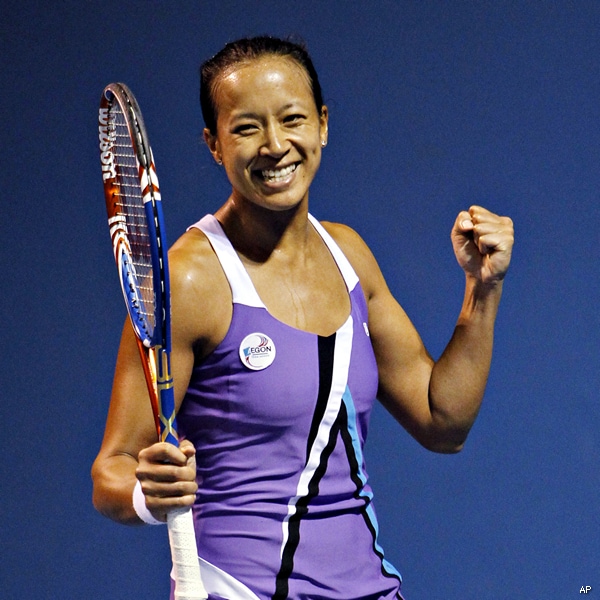
Anne Keothavong stands as one of the most influential figures in modern British tennis. Her journey is not simply the story of a professional athlete who competed on the world stage; it is the broader narrative of leadership, resilience, cultural representation, and long-term contribution to the sport. From her early days navigating the junior circuits to becoming a respected coach, captain, and administrator, Anne Keothavong has played a pivotal role in shaping how tennis is played, managed, and perceived in the United Kingdom.
This in-depth article explores her life, career, and legacy in detail, offering an informative and human-written account of how she transitioned from elite competitor to one of the most powerful voices in British tennis governance.
Early Life and Cultural Background
Anne Keothavong was born on September 16, 1983, in Hackney, London, to parents who had emigrated from Laos. Her family background is a central part of her story. Growing up as a child of refugees, Keothavong’s early life was shaped by themes of perseverance, gratitude, and opportunity. Her parents, having endured displacement and hardship, placed strong emphasis on education and discipline, values that would later underpin her professional career.
Tennis was not initially an obvious pathway. Like many British children, Keothavong sampled multiple sports before gravitating toward tennis. However, once she discovered the game, her aptitude became evident. The sport offered structure, measurable progress, and a merit-based system where dedication translated directly into results. These qualities resonated deeply with her upbringing.
Her rise through the British junior system was not without obstacles. Tennis, particularly at the elite level, has historically been associated with privilege and access. For Keothavong, navigating this landscape required not only talent but also resilience. The support of her family and local coaches proved crucial, allowing her to develop competitively while maintaining a grounded perspective.
Breaking Through the Junior and Professional Ranks
Anne Keothavong’s junior career showed early promise, and she soon made the transition to the professional tour. Competing on the ITF Women’s Circuit, she steadily built ranking points, often traveling extensively on modest budgets and facing the grind familiar to many aspiring professionals.
Her breakthrough came not from a single moment but from sustained consistency. Keothavong became known for her athleticism, court coverage, and mental toughness. While she did not possess the raw power of some contemporaries, her tactical intelligence and willingness to compete for every point made her a difficult opponent.
In 2009, Anne Keothavong made history by becoming the first British woman in the Open Era to reach the top 50 of the WTA singles rankings. This achievement carried symbolic weight far beyond numbers. British women’s tennis had struggled for sustained global relevance, and her ranking represented progress and possibility.
She also enjoyed success on home soil, becoming the first British woman in nearly two decades to win a main-draw singles match at Wimbledon. These milestones were celebrated not only as personal victories but as markers of renewed belief in British women’s tennis.
Playing Style and On-Court Identity
Keothavong’s playing style reflected her personality: intelligent, adaptable, and resilient. She was a counterpuncher by nature, using speed and anticipation to extend rallies and exploit opponents’ errors. Her footwork and defensive skills allowed her to transition seamlessly from defense to attack, often frustrating more aggressive players.
Mentally, she was regarded as one of the toughest competitors on tour. Matches involving Anne Keothavong were rarely straightforward affairs; she had a reputation for fighting until the final point, regardless of scoreline. This mental fortitude would later become one of her defining traits as a leader and coach.
In doubles, her understanding of positioning and communication translated effectively, further underscoring her tennis IQ. At the same time, singles remained her primary focus, her versatility across formats added to her overall value as a player.
Major Career Milestones
Below is a table summarizing some of the key milestones in Anne Keothavong’s playing and leadership career, offering a clear overview of her progression and impact.
| Year | Milestone | Significance |
| Early 2000s | Turned professional | Entered the international tennis circuit |
| 2009 | Reached WTA Top 50 | First British woman in the Open Era to do so |
| 2009 | Won Wimbledon main-draw match | First British woman in 20 years |
| 2012 | Retired from professional tennis | Transitioned toward leadership roles |
| 2016 | Appointed Great Britain Fed Cup Captain | One of the youngest captains in the competition |
| 2022 | Led GB to Billie Jean King Cup semifinals | Best team performance in decades |
| 2023 | Appointed Wimbledon Tournament Director | First woman to hold the role |
This table illustrates not only her athletic achievements but also her seamless progression into influential leadership positions within the sport.
Transition from Player to Leader
Retirement from professional sport can be a difficult psychological shift. For Anne Keothavong, however, it marked the beginning of an equally impactful chapter. Her deep understanding of the modern game, combined with her communication skills, made her a natural fit for coaching and leadership roles.
She initially worked within the Lawn Tennis Association (LTA), contributing to player development programs and mentoring emerging talents. Her approach was notably holistic. Rather than focusing solely on technical skills, Keothavong emphasized mental resilience, professionalism, and long-term career planning.
This philosophy reflected her own experiences on tour. She understood the pressures faced by young athletes and sought to equip them with tools that extended beyond forehands and backhands.
Captaincy of Great Britain’s Women’s Team
One of the most significant chapters in the Anne Keothavong story began with her appointment as Great Britain’s Fed Cup captain, later known as the Billie Jean King Cup. At the time, her selection was both bold and symbolic. She became one of the youngest captains in the competition and a prominent female leader in a historically male-dominated coaching landscape.
As captain, Keothavong brought a calm, player-centric approach. She fostered a team culture based on trust, accountability, and mutual respect. Her firsthand experience as a former player allowed her to communicate effectively, particularly in high-pressure environments.
Under her leadership, the British team experienced a resurgence. The run to the semifinals of the Billie Jean King Cup marked the nation’s strongest performance in decades. This success was not attributed solely to individual talent but to the cohesive environment Keothavong cultivated.
Leadership Style and Philosophy
Anne Keothavong’s leadership style is often described as quietly authoritative. She does not rely on grand gestures or confrontational tactics. Instead, she leads through preparation, clarity, and emotional intelligence.
Her philosophy centers on empowering individuals while maintaining collective standards. She believes that athletes perform best when they feel heard, supported, and challenged in equal measure. This balance has been evident in her captaincy decisions, team selections, and communication with players and staff.
Importantly, Keothavong has also been a vocal advocate for mental health awareness in sport. She recognizes that elite performance carries psychological costs and has supported initiatives aimed at reducing stigma and promoting well-being.
Breaking Barriers in Tennis Administration
In 2023, Anne Keothavong achieved another historic milestone by becoming the Tournament Director of The Championships, Wimbledon. This appointment made her the first woman to hold one of the most prestigious administrative roles in global tennis.
The significance of this moment extends beyond symbolism. Wimbledon is not merely a tennis tournament; it is an institution steeped in tradition and global influence. Keothavong’s appointment reflected a broader shift toward inclusivity and modern leadership within the sport.
As Tournament Director, her responsibilities include overseeing competition operations, player relations, and strategic development. Her background as a former professional player gives her a unique perspective, allowing her to balance tradition with the evolving needs of modern athletes.
Representation and Cultural Impact
Anne Keothavong’s story carries particular importance for representation in British sport. As a woman of Southeast Asian heritage, her visibility at the highest levels of tennis challenges longstanding stereotypes about who belongs in elite sporting spaces.
She has spoken openly about the importance of role models and the power of seeing oneself reflected in leadership positions. For young players from diverse backgrounds, Keothavong’s success sends a clear message: excellence in sport is not limited by origin or circumstance.
Her journey also highlights the value of inclusion at all levels, from grassroots participation to executive leadership. In this sense, her impact extends far beyond match results or tournament outcomes.
Influence on the Next Generation
One of the most enduring aspects of Anne Keothavong’s legacy is her influence on younger players. Whether through direct coaching, captaincy, or administrative leadership, she has helped shape the environment in which the next generation develops.
Players under her guidance often cite her honesty and approachability as defining traits. She encourages open dialogue, constructive feedback, and self-reflection. This approach not only improves performance but also prepares athletes for life beyond tennis.
By bridging the gap between player experience and institutional leadership, Keothavong has become a vital link in the British tennis ecosystem.
Challenges and Criticism
Like any prominent figure, Anne Keothavong has faced challenges and scrutiny. Leadership roles, particularly in national programs, invite public and media evaluation. Team selections, strategic decisions, and administrative changes are often debated.
However, her response to criticism has been consistent: measured, transparent, and focused on long-term objectives. Rather than reacting defensively, she emphasizes process, data, and collective responsibility.
This ability to navigate pressure without losing perspective further underscores her suitability for high-level leadership roles.
Legacy and Long-Term Significance
Assessing the legacy of Anne Keothavong requires looking beyond trophies and rankings. Her significance lies in transformation. As a player, she helped reestablish credibility for British women’s tennis. As a leader, she has modernized team culture and expanded representation. As an administrator, she is helping shape the future of one of the world’s most iconic sporting events.
Few individuals manage to contribute meaningfully across so many dimensions of a sport. Keothavong’s career demonstrates that influence does not end with retirement; in many cases, it only deepens.
Conclusion: The Enduring Impact of Anne Keothavong
Anne Keothavong’s journey is a testament to the power of perseverance, adaptability, and thoughtful leadership. From her historic achievements on the court to her groundbreaking roles off it, she has consistently challenged expectations and expanded possibilities within tennis.Her story is not just about personal success but about service to the sport and its community. By combining competitive experience with empathy and strategic vision, Anne Keothavong has become one of the most respected and influential figures in British tennis.