
Finding the best running shoes has become increasingly complex in recent years. With countless brands, innovative cushioning technologies, stability systems, upper materials, and specialised designs for every running style imaginable, the choices can feel overwhelming for both beginners and seasoned athletes.
Whether you run for fitness, competition, stress relief, or simply for the joy of movement, the shoes on your feet play a huge role in comfort, performance, motivation, and long-term health. The right pair can prevent injuries, improve your running form, help you maintain endurance, and ultimately transform the quality of your training experience. Meanwhile, the wrong pair may lead to persistent discomfort, blisters, joint pain, or even chronic injuries.
In this extensive guide, we break down everything you need to know to choose the best running shoes for your individual needs. From cushioning types and foot anatomy to terrain-specific choices and longevity tips, this article provides all the essential knowledge in one place.
Why Finding the Best Running Shoes Truly Matters
Running may seem like one of the simplest forms of exercise—just lace up your shoes and hit the pavement. But the human body experiences significantly more stress when running compared to walking. Each stride places two to three times your body weight on your feet, ankles, knees, and hips.
The role of running shoes is therefore not merely one of convenience but of biomechanical support. The best running shoes serve as shock absorbers, stabilisers, and energy-return devices, reducing impact forces and helping maintain a natural gait cycle. When runners experience discomfort, it often stems from mismatched footwear rather than the sport itself.
Moreover, running shoes influence posture, stride efficiency, and muscular activation patterns. A shoe with the wrong arch support or heel-to-toe drop can affect alignment all the way up the kinetic chain, sometimes leading to hip or lower-back pain. Conversely, the right shoe design distributes forces evenly and encourages proper foot placement.
This is why different people need different types of shoes: pronators require stability control, neutral runners need balanced cushioning, and supinators benefit from softer midsole foam that helps prevent outward rolling. The importance of proper footwear becomes especially clear when increasing training mileage or switching to a different terrain. Whether you’re preparing for a marathon, transitioning to trail running, or simply aiming to avoid injury, investing time in choosing the best running shoes can significantly influence your long-term running journey.
Understanding Foot Anatomy and Running Gait
One of the first steps to discovering the best running shoes for your needs is understanding your foot anatomy and gait pattern. The biomechanics of running vary significantly from person to person, influenced by arch shape, foot width, pronation tendency, joint mobility, and muscle strength. Most runners fall into three categories:
1. Neutral gait:
Your foot lands evenly and rolls slightly inward to absorb impact. Neutral runners have the most excellent flexibility in shoe choice and often prefer cushioned or neutral models.
2. Overpronation:
Your foot rolls too far inward during impact, which may stress the arch, ankles, and knees. Overpronators often benefit from stability or motion-control shoes featuring firmer midsoles and structured support.
3. Supination (underpronation):
Your foot rolls outward, which may cause additional stress on the outer edges of your feet. Supinators usually prefer highly cushioned shoes with flexible midsoles to promote smoother motion.
Understanding your gait helps narrow down the vast array of options. Many speciality running stores offer gait analysis using video assessments or pressure-sensitive treadmills. These evaluations identify imbalances and measure stride characteristics. However, you can also observe your old shoes—excessive wear on the inner heel suggests overpronation, while wear on the outer edges indicates supination. Whether studying your feet directly or consulting experts, understanding your gait is a significant step toward finding the best running shoes for long-term comfort and injury prevention.
Key Features That Define the Best Running Shoes
The construction of running shoes has evolved significantly with innovations in foam chemistry, upper materials, carbon plates, traction patterns, and energy-return technologies. To identify the best running shoes, runners should consider several essential features:
Cushioning
Cushioning impacts comfort and shock absorption. Technical foam types—such as EVA, PEBA, nitrogen-infused foams, and proprietary compounds—vary in responsiveness, weight, and density. Some runners prefer plush, cloud-like cushioning for long distances, while others opt for firmer foam for more ground feedback. The best running shoes strike the right balance for your body weight, footstrike, and training goals.
Stability Support
Stability shoes incorporate firmer medial posts, guide rails, or structural reinforcements to help correct overpronation. However, modern stability systems aim for natural correction rather than rigid control. The best running shoes avoid forcing your gait into unnatural movements while still providing adequate support.
Heel-to-Toe Drop
The drop, measured in millimetres, indicates the height difference between heel and forefoot. Traditional running shoes have drops of around 8–12 mm, while minimalist shoes have close to zero drop. Lower drops encourage midfoot striking but may strain the Achilles tendon if you’re not accustomed to them. Selecting the right drop is essential for comfort and proper posture.
Upper Material and Fit
A secure yet breathable upper ensures comfort and prevents friction. Mesh knit materials improve ventilation, while engineered uppers adapt to your foot shape. Toe box width also matters: runners with wider feet should avoid narrow models, which can cause pressure points. The best running shoes provide a snug but not restrictive fit, allowing natural toe splay.
Outsole and Traction
Road running shoes prioritise lightweight traction, while trail running shoes require aggressive lugs, rock plates, and durable rubber compounds. Matching outsole design to your terrain ensures safety, grip, and confidence during every run.
These features combine to create the unique performance characteristics of each shoe. Understanding them helps you select the best running shoes tailored to your personal running style.
Types of Running Shoes and Their Best Uses
Finding the best running shoes depends on selecting the right category for your specific needs. Most shoes fall into one of several groups:
Neutral Shoes
Ideal for runners with a neutral gait, these shoes emphasise cushioning and comfort without additional stability features. They suit beginners and experienced athletes alike.
Stability Shoes
Designed for overpronators, stability shoes integrate structured support to prevent excessive inward rolling. They help distribute pressure more evenly across the foot.
Motion-Control Shoes
These shoes cater to severe overpronators or individuals requiring maximum support. Though heavier, they significantly reduce excessive movement.
Max-Cushion Shoes
Maximalist shoes offer thick foam layers, providing exceptional shock absorption. They’re great for long-distance training and fatigue reduction.
Lightweight and Performance Shoes
Made for speed, these shoes emphasise responsiveness and minimal weight. Many include carbon plates for enhanced propulsion.
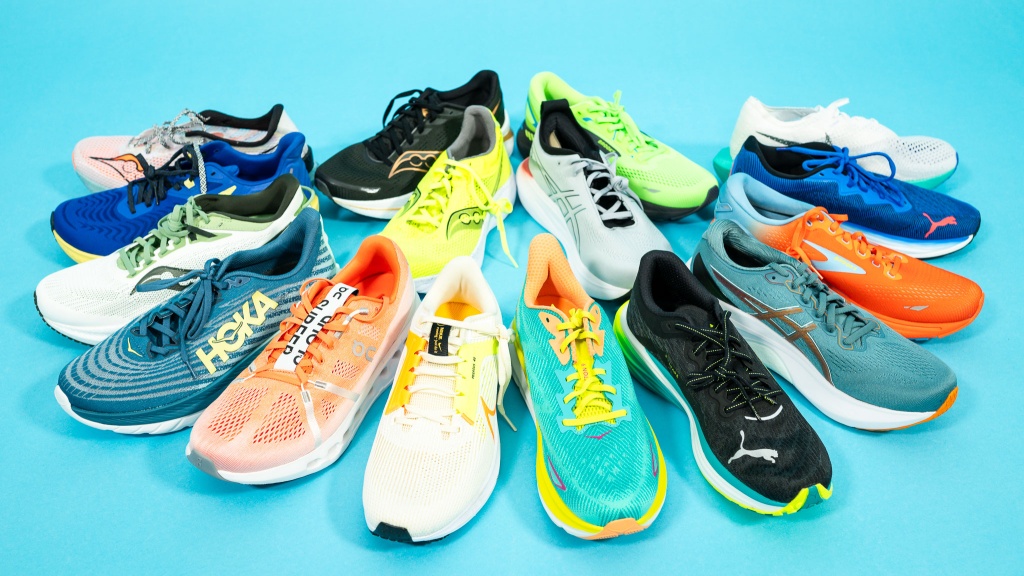
Trail Running Shoes
Built for rugged outdoor use, trail shoes feature durable outsoles, protective toe caps, and stability for uneven surfaces.
Minimalist Shoes
Minimalist shoes offer little cushioning and low drop, promoting natural foot movement. They require adaptation and are best for experienced runners.
The diversity of categories illustrates that the best running shoes differ dramatically depending on individual needs and intended use cases.
Comparison Table: Key Differences Among Running Shoe Types
| Shoe Type | Ideal For | Main Benefit | Example Features |
| Neutral Shoes | Neutral runners | Balanced cushioning | Soft midsoles, flexible upper |
| Stability Shoes | Mild to moderate overpronators | Corrective support | Medial posts, guide rails |
| Motion-Control Shoes | Severe overpronators | Maximum correction | Reinforced arches, firmer foam |
| Max-Cushion Shoes | Long-distance runners | Superior shock absorption | Thick midsoles, plush cushioning |
| Lightweight Shoes | Speedwork and racing | High energy return, minimal weight | Carbon plates, responsive foam |
| Trail Running Shoes | Off-road terrain | Grip and protection | Lugged outsole, rock plate |
| Minimalist Shoes | Experienced natural-style runners | Foot-strength development | Low drop, minimal cushioning |
This table simplifies the selection process and helps runners narrow down the best running shoes for their preferences and biomechanics.
Determining the Best Running Shoes for Your Needs
Selecting the best running shoes is not just about picking a popular model or relying on trends. It involves evaluating several personal factors that influence comfort and performance. Below are key considerations:
Your Running Goals
Are you training for marathons, running casually, focusing on speed, or simply improving fitness? Longer distances require cushioned shoes, while speed-focused runners may prefer lightweight models.
Foot Shape and Arch Type
Flat feet often need stability; high arches require more cushioning; wide feet need roomier toe boxes. Knowing your foot structure eliminates models that won’t fit well.
Terrain and Running Environment
Road runners need smooth traction, while trail runners require rugged grip and stability. Hybrid runners may choose versatile all-terrain shoes.
Injury History
If you experience knee pain, hip issues, or plantar fasciitis, certain shoe features may alleviate symptoms. Stability, cushioning, or orthotic compatibility might be essential.
Body Weight and Stride
Heavier runners benefit from firmer or thicker foam, which withstands compression better over time. Forefoot strikers might prefer different cushioning layouts compared to heel strikers.
Personal Comfort
Above all, comfort is the strongest predictor of long-term success. The best running shoes feel good from the moment you put them on—no pinching, sliding, or hot spots.
By evaluating these factors, runners can make informed decisions and avoid common mistakes that lead to discomfort or injury.
The Role of Cushioning Technologies in the Best Running Shoes
The last decade has seen a revolution in cushioning engineering, making shoe choice even more exciting. Brands now create foams that are lighter, softer, more responsive, or more resilient than ever before. Common innovations include:
- PEBA-based foams offering high energy return; popular in racing shoes.
- Nitrogen-infused midsoles provide buoyancy without added weight.
- Stacked foam layers for shock absorption in maximalist shoes.
- Dual-density midsoles for stability and support.
These advancements allow runners to choose the best running shoes that perfectly match their biomechanics and training style.
Choosing the Best Running Shoes for Different Terrains
Not all running is done on asphalt. The best running shoes also depend on where you run:
Road Running Shoes
Designed for smooth surfaces, these shoes are lightweight, breathable, and built for consistent motion. The cushioning minimises impact on repetitive hard surfaces.
Trail Running Shoes
These shoes feature rugged soles and added protection. They handle mud, rocks, roots, and steep inclines with ease. Some models include waterproof membranes for wet conditions.
Track Running Shoes
Track shoes are optimised for speed workouts and often feel firmer and more responsive. Some runners use spikes for racing.
Treadmill Running Shoes
Nearly any road shoe works on a treadmill, but cushioned midsoles help reduce fatigue during long indoor sessions.
Matching terrain to footwear ensures safety and improves performance, helping you find the best running shoes for your environment.
Tips for Maintaining Your Running Shoes
Even the best running shoes have a limited lifespan. Here are key maintenance tips:
- Rotate between two pairs to extend durability.
- Avoid machine washing; instead, use mild soap and air drying.
- Store shoes away from heat sources to preserve foam structure.
- Replace shoes every 300–500 miles, depending on weight and terrain.
- Inspect tread patterns to ensure proper traction.
Good maintenance improves performance and helps your shoes feel newer for longer.
Final Thoughts: Finding the Best Running Shoes Is a Personal Journey
Choosing the best running shoes involves understanding your body, your goals, and your running environment. No single shoe suits everyone, and trends shouldn’t overshadow personal comfort and biomechanics. High-quality running shoes help prevent injuries, enhance performance, and make every run feel smoother and more enjoyable.
When you take the time to analyse your needs and understand shoe technologies, you empower yourself to make smart, informed decisions that lead to long-term satisfaction. Ultimately, the best running shoes are the pair that support your stride, match your running style, and make you excited to lace up and get moving.