
Dogs have been living alongside humans for thousands of years. Why do Dogs Eat Grass, yet they still manage to surprise us with their strange and sometimes puzzling habits. One of the most common—and confusing—behaviours dog owners observe is grass eating. You may have watched your dog happily munch on grass during a walk and wondered, Why do dogs eat grass? Is it a sign of illness, boredom, nutritional deficiency, or something else entirely?
This informative, in-depth article explores why do dogs eat grass, examining scientific research, veterinary insights, evolutionary history, and behavioural psychology. By the end, you’ll have a clear understanding of whether grass eating is normal, when it might signal a problem, and how to respond as a responsible pet owner.
Understanding the Grass-Eating Habit in Dogs
Grass eating, also known as grazing, is a behaviour observed in dogs of all breeds, sizes, and ages. Some dogs nibble grass occasionally, while others seem determined to turn your lawn into their personal salad bar. Despite how common this behaviour is, there is no single explanation that fits every dog.
Veterinarians and animal behaviourists generally agree that grass eating can be normal, but it can also be context-dependent. To truly understand why do dogs eat grass, we need to look at their biology, ancestry, diet, mental state, and environment.
Is It Normal for Dogs to Eat Grass?
Yes, in most cases, it is completely normal. Studies have shown that a large percentage of Why do Dogs Eat Grass regularly without showing any signs of illness. Many dogs that eat grass do not vomit afterward, which challenges the long-held belief that Why do Dogs Eat Grass only to make themselves throw up.
Grass eating is considered a natural behaviour, inherited from dogs’ wild ancestors. Wolves and wild canids are known to consume plant matter, either intentionally or indirectly through the stomach contents of their prey.
However, “normal” does not always mean “ignore it.” Understanding the reasons behind the behaviour helps you determine whether it’s harmless or a sign of something more serious.
Evolutionary Roots: What Dogs’ Ancestors Can Teach Us
To answer the question of why do dogs eat grass, it helps to look back at their evolutionary history.
Dogs Are Not True Carnivores
Although dogs are classified as carnivores, they are technically omnivorous scavengers. This means their digestive systems can handle both animal-based and plant-based foods. Ancient dogs and wolves didn’t survive solely on meat; they also consumed berries, roots, and grasses when prey was scarce.
Plant matter provided:
- Fibre for digestion
- Micronutrients are not found in meat.
- Roughage to help clean the digestive tract
Grass eating may be a genetic echo of these survival behaviours.
Possible Reasons Why do Dogs Eat Grass
There is no single explanation that applies to every dog. Below are the most widely accepted reasons, supported by veterinary research and observation.
1. Digestive Relief and Upset Stomachs
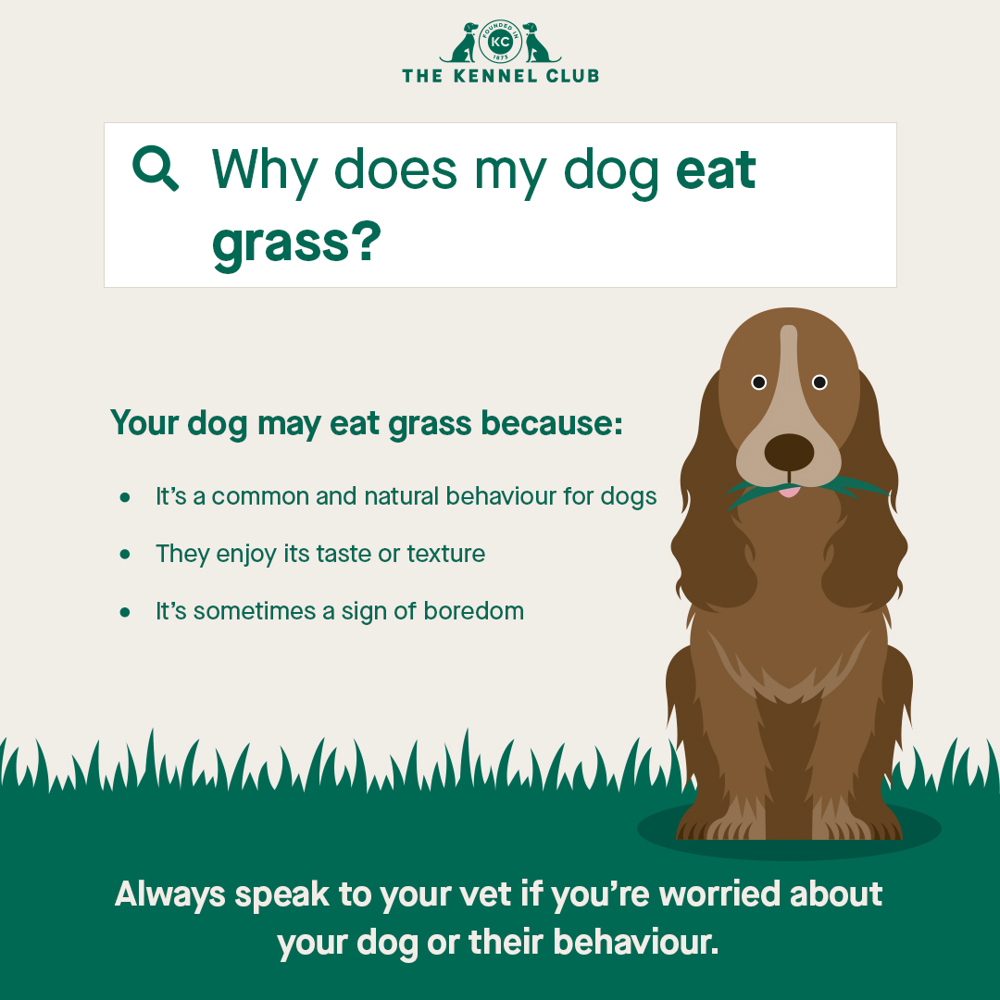
One of the most popular theories is that Why do Dogs Eat Grass to soothe digestive discomfort. Some dogs may feel nauseated, bloated, or gassy and instinctively turn to grass.
Grass can:
- It acts as a mild irritant to the stomach lining
- Trigger vomiting in some dogs.
- Help expel indigestible material or parasites.
However, research has shown that Why do Dogs Eat Grass without vomiting, suggesting this is not the primary reason in many cases.
2. Dietary Fibre Deficiency
Fibre plays a crucial role in digestive health. If a dog’s diet lacks sufficient fibre, they may seek it out elsewhere—like your lawn.
Fibre helps:
- Regulate bowel movements
- Improve gut health
- Reduce constipation or diarrhea.
Dogs eating grass may be instinctively compensating for a fibre-poor diet, especially if they consume highly processed food.
3. Boredom and Mental Stimulation
Dogs are intelligent, active animals that require mental engagement. Grass eating can sometimes be a symptom of boredom, particularly in dogs that:
- Spend long hours alone
- Lack of physical exercise
- Do not receive mental stimulation.
In these cases, grass-eating is similar to other boredom-related behaviours, such as chewing furniture or excessive licking.
4. Taste and Texture Appeal
Believe it or not, some dogs simply like the taste of grass. Fresh, cool grass can be appealing, especially in spring and early summer when it is tender and moist.
Certain dogs prefer:
- Newly grown grass
- Specific types of grass
- Dew-covered blades
This reason is often overlooked, but it’s one of the simplest explanations for why do dogs eat grass.
5. Instinctual Parasite Control
Some animal experts believe grass eating may help dogs flush out intestinal parasites. The fibrous texture of grass could help dislodge worms from the digestive tract.
While domestic dogs are typically dewormed, this instinct may persist, even when it’s no longer necessary.
6. Anxiety and Stress-Related Behaviour
Stress and anxiety can manifest in unusual behaviours. Dogs experiencing anxiety may eat grass as a self-soothing mechanism.
Common stress triggers include:
- Changes in routine
- New environments
- Loud noises
- Separation anxiety
If grass eating increases during stressful situations, it may be emotionally driven rather than dietary.
Grass Eating and Vomiting: Are They Always Connected?
Many dog owners assume that grass eating automatically leads to vomiting. In reality, studies show that less than 25% of dogs vomit after eating grass, and even fewer show signs of illness beforehand.
This suggests:
- Vomiting is not always the goal
- Grass eating is often unrelated to sickness.
- Healthy dogs also engage in this behaviour.
If your dog frequently eats grass and vomits, however, that may warrant closer attention.
When Grass Eating Becomes a Concern
Although grass-eating is usually harmless, it can signal a problem in certain situations.
Warning Signs to Watch For
- Excessive or obsessive grass eating
- Frequent vomiting or diarrhea
- Weight loss or appetite changes
- Lethargy or behavioural changes
- Signs of abdominal pain
If these symptoms accompany grass eating, consult a veterinarian.
The Hidden Dangers of Grass Eating
While grass itself is generally safe, the surrounding environment may not be.
Potential Risks Include
- Pesticides and herbicides
- Fertilizers
- Parasites
- Sharp plant materials
Chemically treated lawns pose the biggest risk. Even small amounts of toxins can cause serious health issues.
Nutritional Perspective: Is Your Dog’s Diet Complete?
A well-balanced diet reduces the likelihood that dogs will seek nutrients elsewhere.
Key Nutrients Dogs May Seek Through Grass
- Fiber
- Trace minerals
- Phytonutrients
If grass eating is frequent, a vet may recommend:
- Switching dog food brands
- Adding vegetables like pumpkin or green beans
- Incorporating vet-approved supplements
Table: Common Reasons Why do Dogs Eat Grass and What They Mean
| Reason | What It Indicates | Should You Worry? | Recommended Action |
| Digestive upset | Mild stomach discomfort | Sometimes | Monitor, consult a vet if frequent |
| Fiber deficiency | Nutritional imbalance | Low to moderate | Adjust diet |
| Boredom | Lack of stimulation | Low | Increase exercise and play |
| Taste preference | Enjoyment | None | Ensure grass is chemical-free |
| Anxiety | Emotional stress | Moderate | Address stress triggers |
| Parasite instinct | Natural behavior | Low | Maintain deworming schedule |
How to Reduce Grass Eating (If You Choose To)
If you’d like to limit grass eating, here are humane and effective strategies.
Increase Physical Activity
A tired dog is less likely to engage in repetitive behaviours. Daily walks, play sessions, and interactive games can make a big difference.
Provide Mental Stimulation
Puzzle toys, training exercises, and scent games keep your dog mentally engaged.
Improve Diet Quality
Ensure your dog’s food meets nutritional standards and includes adequate fibre.
Train Redirection
Gently redirect your dog’s attention during walks with treats or commands.
Should You Stop Your Dog from Eating Grass?
In most cases, no. If your dog:
- Is healthy
- Eats grass occasionally
- Shows no signs of illness
Then grass-eating is likely harmless.
However, you should intervene if:
- The grass is chemically treated
- The behaviour becomes obsessive.
- Your dog shows signs of distress.
What Veterinarians Say About Grass Eating
Most veterinarians agree that grass eating is not inherently dangerous. It is considered normal canine behaviour unless accompanied by concerning symptoms.
Veterinary advice typically emphasizes:
- Monitoring frequency
- Ensuring safe environments
- Evaluating diet quality
Frequently Asked Questions About Why do Dogs Eat Grass
Do puppies eat grass for the same reasons as adult dogs?
Yes, though puppies may also eat grass out of curiosity and exploration.
Is grass eating linked to specific breeds?
No. Grass eating occurs across all breeds.
Can grass replace vegetables in a dog’s diet?
No. Grass lacks the nutritional balance dogs need from proper vegetables.
The Psychological Side of Grass Eating
Dogs experience the world through smell and taste. Grass eating may also be a sensory experience that:
- Provides novelty
- Relieves stress
- Offers environmental enrichment
This perspective helps explain why even well-fed, healthy Why do Dogs Eat Grass.
Final Thoughts: Why Do Dogs Eat Grass?
So, why do dogs eat grass? The answer is not simple, but it is reassuring. Grass eating is usually a natural, harmless behaviour rooted in evolution, dietary needs, mental stimulation, or simple enjoyment. While it can occasionally signal digestive or emotional issues, most dogs who eat grass are perfectly healthy.
As a dog owner, your role is to observe patterns, ensure your dog’s environment is safe, and provide a balanced diet and enriching lifestyle. When in doubt, a veterinarian’s guidance can offer peace of mind.
Understanding your dog’s behaviour strengthens your bond and helps you care for them with confidence. Sometimes, what looks strange is simply another reminder of how fascinating our canine companions truly are.